




Every home chef knows that a chopping board is one of the most-used tools in the kitchen. It’s the silent workhorse that sees everything from veggies and herbs to steaks and Sunday roasts. But here’s the big question: do you really need more than one chopping board at home?
Most families get by with just a single trusty wooden board. And while that’s often fine, food safety experts – and professional chefs – suggest it might not be enough. In fact, there’s a growing case for home cooks to think a little more like the pros when it comes to chopping boards.
So, let’s break it down in a way that makes sense for everyday home cooks.
What Most Households Do
In most Aussie kitchens, there’s usually just one or two boards in rotation. One big wooden chopping board on the bench, maybe a smaller plastic one tucked away in a drawer.
It works well enough – until you think about what actually happens on that board. One moment you’re slicing raw chicken breast, and the next you’re chopping up cucumber for a salad. That’s where cross-contamination risks come in.
Food Standards Australia New Zealand (FSANZ) consistently highlights that raw meats, seafood, and poultry are major culprits when it comes to foodborne illnesses. Using the same board for raw chicken and salad greens without a proper clean in between? That’s an easy way for bacteria to spread.
The Professional Standard: Colour-Coded Chopping Boards
If you’ve ever peeked inside a restaurant kitchen, you’ll know chefs take this seriously. They use a colour-coded system for their chopping boards:
- Red – raw meat
- Yellow – poultry
- Blue – fish
- Green – fruit and vegetables
- Brown – cooked meats
- White – bakery/dairy
It sounds like overkill, right? 6 different boards just to make dinner? But in a high-pressure commercial kitchen, it’s a must.
For home chefs, the good news is you don’t need all six. But you can learn from the principle: separate boards for different jobs = safer food.

What’s Practical for Home Chefs?
The sweet spot for most households is two to three boards:
- One board for raw meat, poultry, or seafood.
- Keeps harmful bacteria contained.
- One board for fruit, vegetables, bread, and cooked food.
- Stops those fresh foods picking up any germs.
- (Optional) One serving board.
- If you love entertaining, a beautiful timber board can double as prep and presentation.
This system is simple, effective, and easy to manage – especially if you pick quality boards that are built to last.
Why Food Safety Matters at Home
It’s tempting to think foodborne illness is a “restaurant” problem. But in reality, home kitchens are where a lot of contamination happens. The latest FSANZ reports estimate 4.1 million cases of food poisoning in Australia every year. That’s more than 10,000 people a day!
For families with kids, elderly parents, or anyone with a sensitive stomach, that’s a risk you don’t want to take.
Having just one board isn’t the end of the world, but adding even one more gives you a huge boost in food safety.
Why Food Safety Matters at Home
Now let’s talk material. Many Aussies believe plastic boards are safer because they can go in the dishwasher. But studies (including landmark ones in the 1990s) show that wood actually resists bacteria better than plastic.
Here’s why:
- Wood is naturally porous, so bacteria get drawn beneath the surface where they dry out and die.
- Plastic develops deep knife grooves over time, which can trap bacteria that don’t wash away easily.
- Quality hardwoods like acacia are dense, durable, and naturally antibacterial.
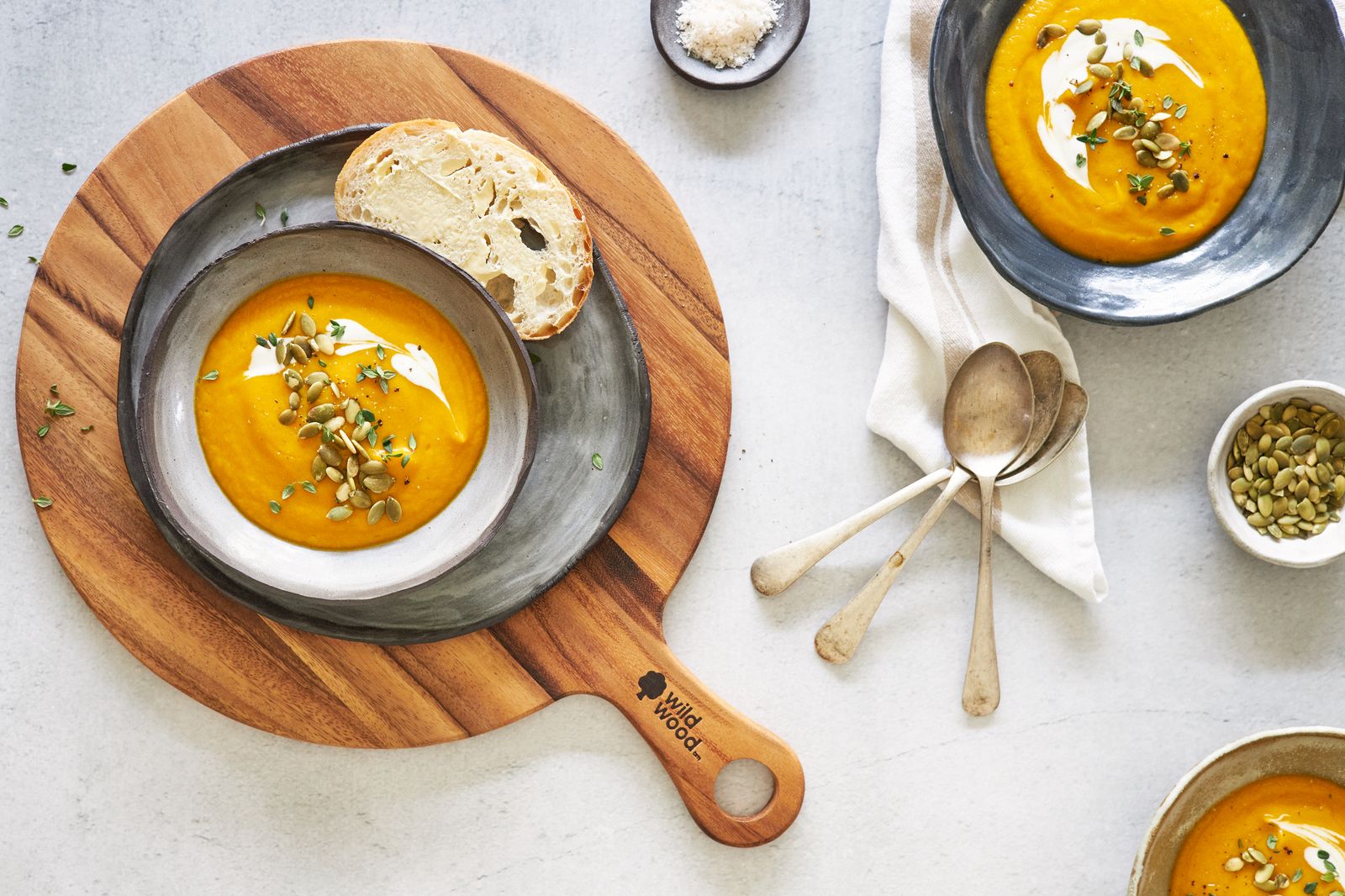
So when you’re deciding which boards to invest in, wooden chopping boards are not just the most stylish – they’re the safest.
Read here: Is cutting and serving food on wood safe?
Caring for Your Boards
Of course, it’s not just about how many boards you have, but how you look after them. A few easy habits will keep your boards safe and beautiful for years:
- Wash after every use. Warm, soapy water and a good scrub is all you need.
- Dry upright. Don’t leave them lying flat – moisture can warp the wood.
- Oil regularly. Every few weeks or months, rub in a food-safe board oil to stop drying and cracking.
- Remove stains and smells. Sprinkle salt or bicarb, rub with half a lemon, and rinse.
These steps take only a minute but make a huge difference.
Real-Life Scenarios: Why More Than One Board Helps
Imagine you’re prepping for a weekend BBQ:
- One board is stacked with marinated chicken skewers.
- Another is being used for chopping onions, tomatoes, and herbs for salad.
- Meanwhile, you’ve got bread rolls waiting to be sliced and served.
Having multiple boards isn’t just about safety – it’s also about convenience and flow in the kitchen.
Conclusion
So, how many chopping boards do you really need at home?
For most households, the answer is two – one for raw proteins and one for everything else. Add a stylish timber serving board if you love to entertain, and you’ve got all your bases covered.
It’s a simple step that makes cooking safer, easier, and more enjoyable. And when you choose beautiful acacia wooden boards, you’re not just investing in kitchen safety – you’re adding warmth, style, and natural charm to your home.