




Step outside on a summer’s day in the middle of the city, and you’ll notice it instantly. The air feels hotter, the ground radiates warmth, and the heat seems to cling long after the sun sets. This isn’t just a feeling—it’s the urban heat island effect, and it’s making cities across the world uncomfortably (and dangerously) hot.
The good news? One of the simplest, most effective solutions is also one of the most natural: planting trees.
At Wild Wood, sustainability has always been at the heart of what we do. From sourcing plantation-grown acacia heartwood for our chopping boards to supporting global reforestation through One Tree Planted, we believe that every business—and every individual—has a role to play in building a greener, cooler future.
Here’s why trees matter, how they help fight urban heat, and how we’re proud to be part of the solution.
What Is the Urban Heat Island Effect?
Cities are built with heat-trapping materials: concrete, asphalt, glass, and metal. These dark surfaces soak up the sun during the day and release it slowly at night, raising temperatures in built-up areas well above surrounding rural ones.
According to the U.S. Environmental Protection Agency, a city with one million people can be 1–3°C warmer than nearby areas—and on clear, calm nights, the difference can soar to 12°C. That’s a huge jump, especially during heatwaves.
The impact goes beyond discomfort. Heat-related illnesses are on the rise, and extreme heat already kills more people annually than floods, tornadoes, and hurricanes combined. With climate change pushing temperatures higher, finding solutions isn’t optional—it’s essential.
And trees, it turns out, are one of the most effective tools we have.
1. Trees Provide Shade
There’s nothing like stepping under the cool shade of a tree on a scorching day. It’s simple, but it works—trees block direct sunlight and reduce surface and air temperatures dramatically.
In fact, shaded areas can be 10–25°C cooler than unshaded ones. Tree canopies filter sunlight so only a fraction reaches the ground, while the rest is absorbed or reflected. When trees are planted along roads, in carparks, or near buildings, they can make entire neighbourhoods more liveable.
Think about the relief of walking under a gum tree on a blazing 35°C afternoon—that cooling power, multiplied across city streets, is how shade becomes a frontline defence against urban heat.
2. Trees Cool the Air Through Evapotranspiration
Shade is only part of the story. Trees also cool their surroundings through a natural process called evapotranspiration.
Here’s how it works: trees absorb water through their roots, then release it as water vapour through their leaves. When the sun hits the canopy, this moisture evaporates, removing heat from the air—much like how our bodies cool themselves through sweating.
Studies show that evapotranspiration, combined with shade, can reduce peak urban temperatures by 1–5°C. It doesn’t just make cities more comfortable—it can save lives during extreme heat events.
At Wild Wood, we’ve chosen Acacia heartwood not just because it’s beautiful and durable, but because Acacia is a sustainable plantation timber that grows quickly with minimal resources. Supporting tree species that thrive sustainably is one small way we align our work with nature’s cooling systems.
3. Trees Reduce Energy Use
Trees don’t just cool the outdoors—they also help lower the need for energy indoors. Strategically planted deciduous trees can shade homes and buildings, reducing air conditioning use by as much as 25%.
Less reliance on air conditioning means lower energy bills and less “waste heat” being pumped back into the atmosphere by cooling systems. It’s a cycle that benefits everyone: cooler homes, cleaner air, and reduced strain on power grids.
When you think about entire cities adopting tree-planting strategies, the potential for energy savings and emissions reductions is massive.
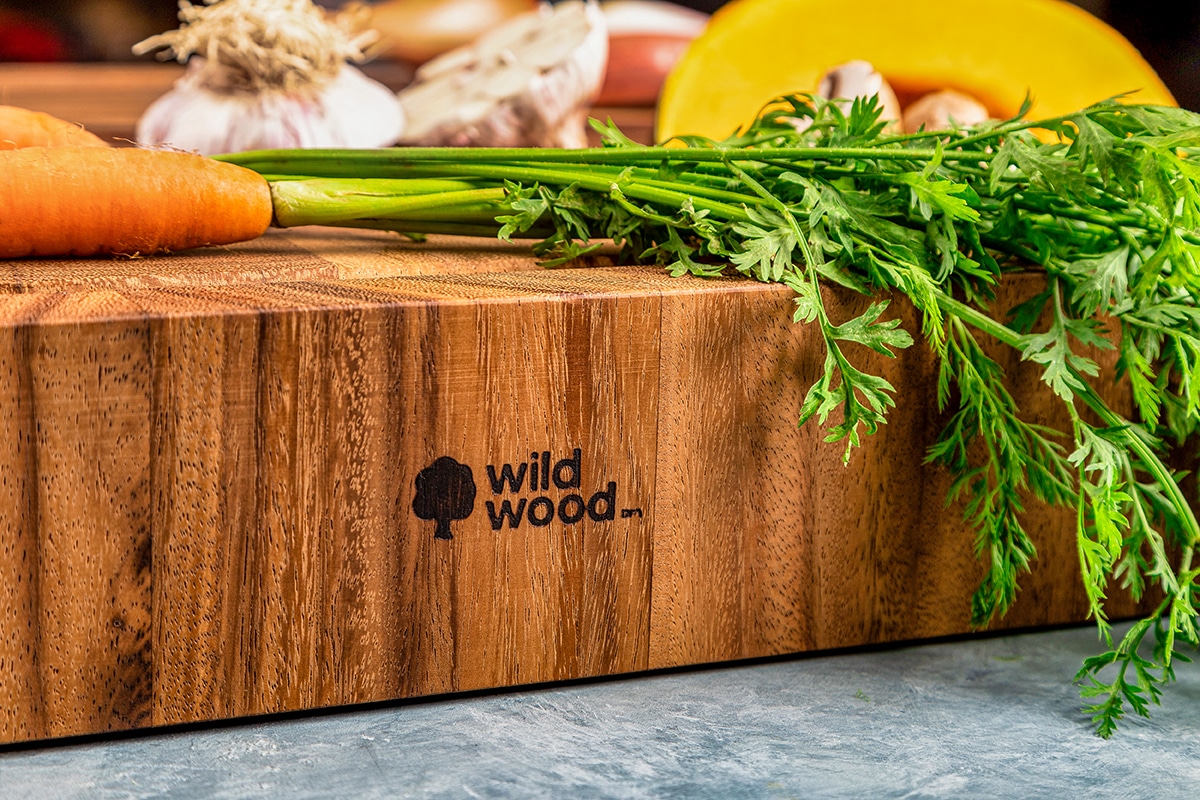
Wild Wood’s Commitment to Planting and Renewal
For us at Wild Wood, sustainability is not a trend—it’s a responsibility. Every board we make starts with a tree, and we never forget that. That’s why we ensure our practices give back more than they take.
Here’s how:
-
Plantation Timber Only
We source exclusively from plantations, where every tree harvested is replaced with a new one. -
Mature Tree Harvesting
Only mature trees are cut, giving younger trees time to grow and continue absorbing carbon. -
Replanting Commitment
Every tree removed makes way for another, ensuring a continuous cycle of growth. -
One Tree Planted Partnership
With every board sold, proceeds go toward reforestation projects across the globe, restoring forests where they’re needed most.
When you choose a Wild Wood chopping board, you’re not just bringing a sustainable, eco-friendly product into your kitchen—you’re helping support forests, communities, and ecosystems worldwide.
Why This Matters More Than Ever
The urban heat island effect is a pressing challenge, but trees offer a simple, natural, and effective solution. They shade our streets, cool the air, reduce energy demand, and restore balance in concrete-heavy cities.
At Wild Wood, we’re proud to contribute to this effort—not only by creating beautiful, sustainable kitchen products but also by directly supporting tree-planting initiatives.
Because when we plant a tree, we don’t just reduce heat—we plant hope. Hope for cooler cities, healthier communities, and a more sustainable future for generations to come.