



Home > Our Wood: Saman Acacia Heartwood
Our Wood: Saman Acacia Heartwood
Plantation-grown. Hand-selected. Fewer than 1 in 500 returned.
Sold throughout South-East Asia as acacia, its botanical name is Samanea saman (Jacq.) Merr. It’s a member of the legume family (Fabaceae), and you may also know it as rain tree or monkeypod. We’re Janie & Jonathan, and we chose it because it solves the things that frustrate home cooks about most chopping boards. It’s firm enough for years of daily chopping yet gentle on your knife edges. It’s built to stay flat on your bench instead of warping and rocking. And it’s noticeably lighter to lift and carry to the sink than most hardwood boards.

Why Saman?
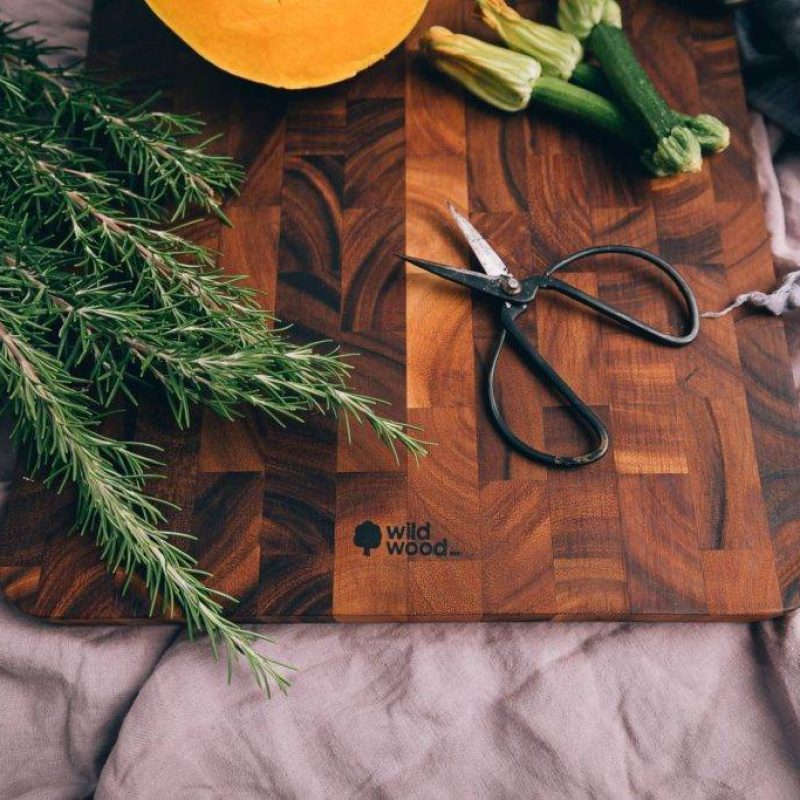
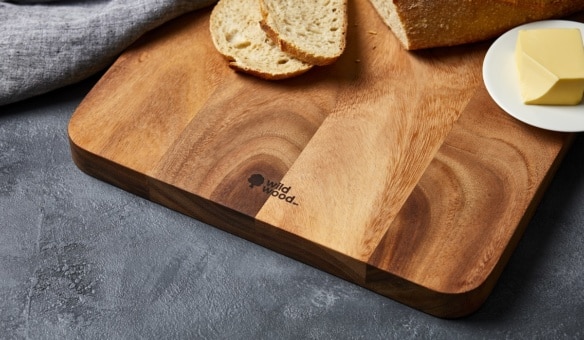
- Rich, warm colour. Saman heartwood ranges from honey-gold to deep chocolate brown, and the colour deepens with age and oiling.
- Naturally stable. Saman has an interlocking grain and moves very little as humidity changes, so it resists splitting and warping. It handles the dry winters and humid summers of an Australian kitchen well.
- Knife-friendly. It's hard enough to stand up to heavy chopping without dulling your blades the way bamboo or glass boards can.
Heartwood only
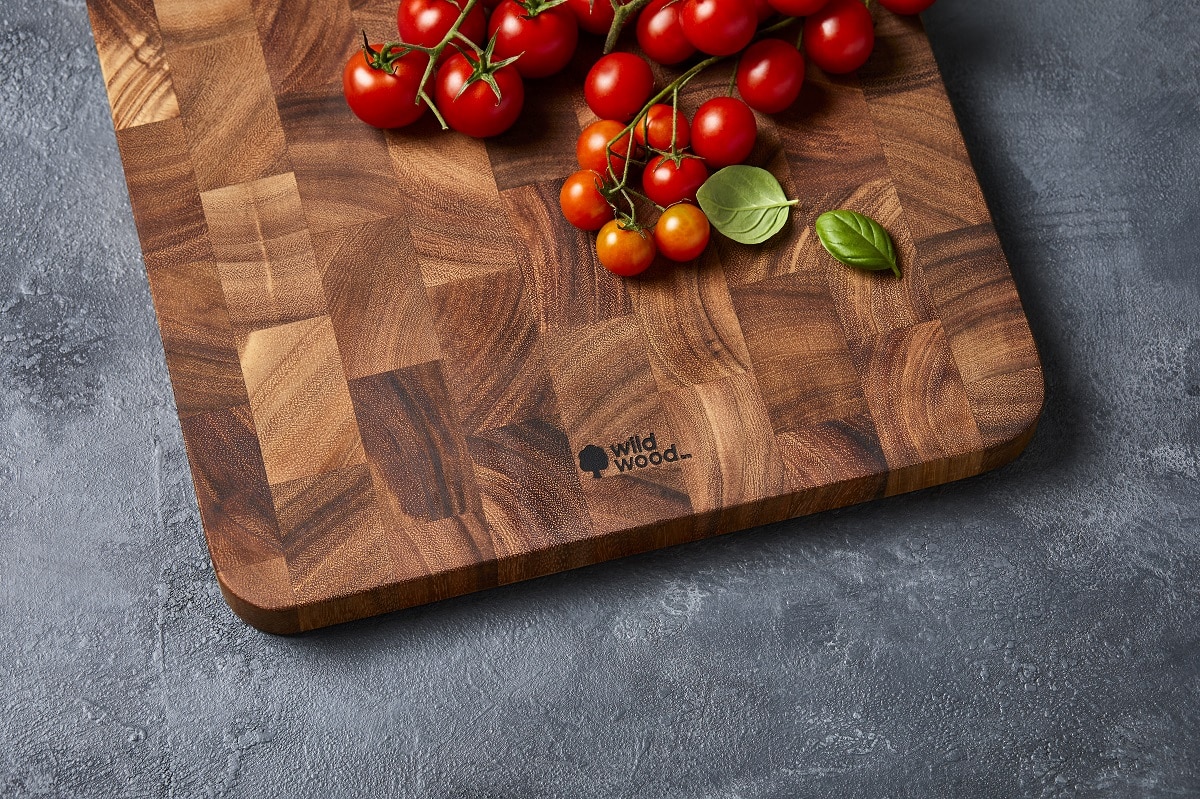
The paler outer wood of a tree, called sapwood, is softer and less stable, so we leave it out. Every Wild Wood board is made only from Saman heartwood, the dense core with the deepest colour. Our artisans hand-match each piece for tone and grain, so no two boards look the same. On our end grain boards, you’ll see that grain as a checkerboard of rich, warm squares.
How we make a Wild Wood board
When we started Wild Wood over 20 years ago, we set the standards for how every board is made. We’ve been back to the workshop many times since to watch our artisans at work, and these steps haven’t changed:
- Selecting the timber. We use heartwood from mature plantation trees and cut around knots and defects, which leaves a smooth, even surface.
- Drying it properly. Each batch air-dries for 6–12 months, then goes through a final kiln run to bring it down to 6–8% moisture. Rushing this step is how cheap boards end up cracked.
- Building it strong. Each board is made from several hand-matched pieces glued together with the grain balanced. This makes it stronger and less likely to warp than a single slab.
- Three full oil dips. We don’t wipe oil on the surface. Every board is fully submerged three times, so the food-safe oil soaks into every face, edge and corner.
- Finished by hand. Experienced artisans in Northern Thailand handcraft every piece. They’ve been making wooden products for over 45 years.

Grown, not taken
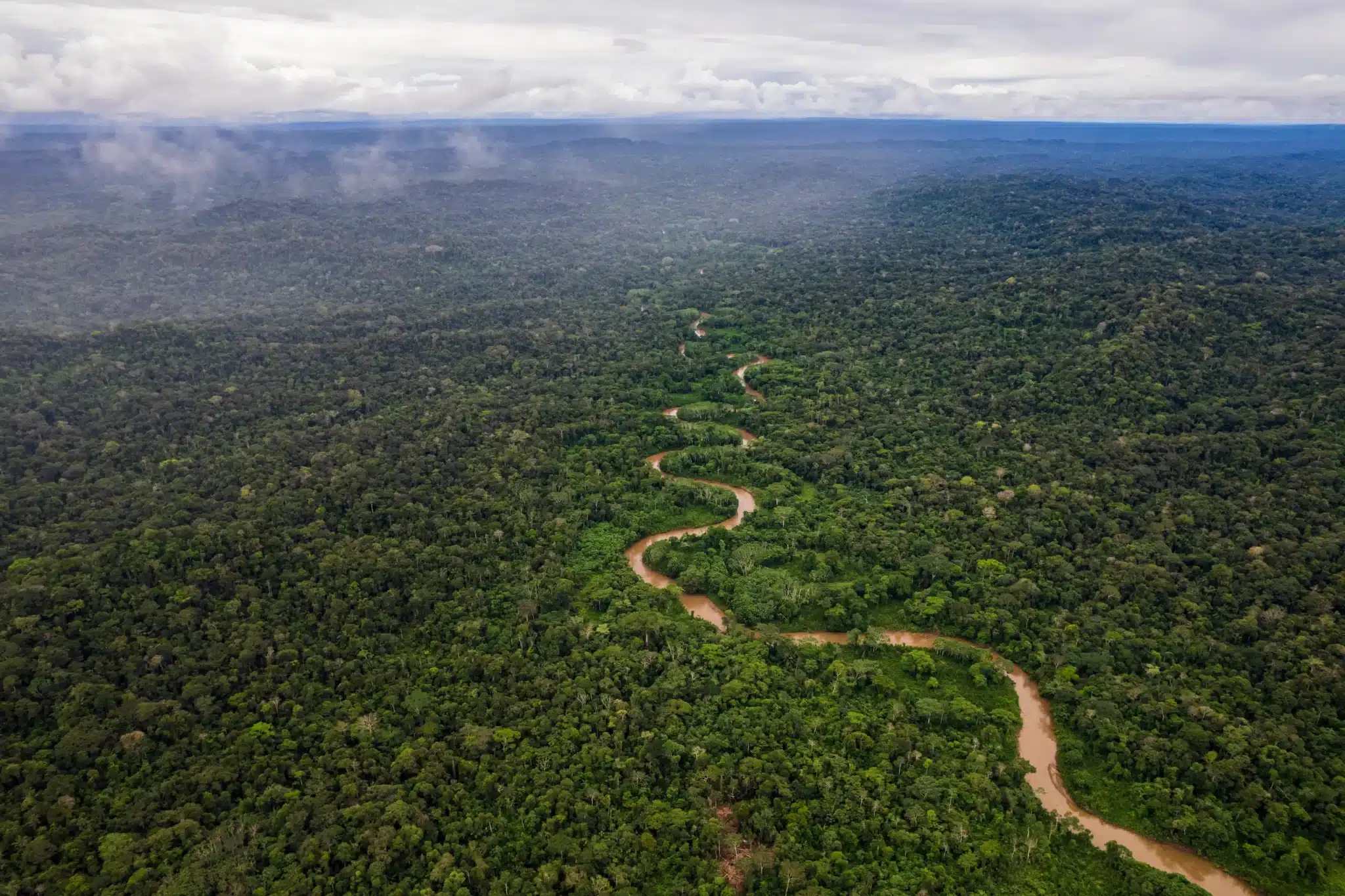
Saman is a fast-growing tropical tree, planted widely across South-East Asia for shade and timber. Our timber comes from long-term plantations managed by local farmers and harvested with care for future growth. We've walked those plantations ourselves, so we can tell you first-hand that we never use old-growth forest timber.
The proof
More than 300,000 Wild Wood boards are now in kitchens across Australia, and fewer than 1 in 500 has ever come back to us. Give yours a coat of Gilly's oil every few weeks and it will look after you for years.
Blog


Featured Reviews
“The Wild Wood chopping board we purchased is just what we hoped it would be. It is attractive and sits on the kitchen counter and is used at least once a day for meal preparation and serving.”
Ashley White
London
“The Wild Wood chopping board we purchased is just what we hoped it would be. It is attractive and sits on the kitchen counter and is used at least once a day for meal preparation and serving.”
Ashley White
London
“The Wild Wood chopping board we purchased is just what we hoped it would be. It is attractive and sits on the kitchen counter and is used at least once a day for meal preparation and serving.”
Ashley White
London
“The Wild Wood chopping board we purchased is just what we hoped it would be. It is attractive and sits on the kitchen counter and is used at least once a day for meal preparation and serving.”
Ashley White
London