




When it comes to choosing a chopping board for your kitchen, it’s easy to get lost in the options. Bamboo, maple, plastic, glass and titanium (yikes) — there’s no shortage of debate about what’s “best.” But if you talk to everyday cooks, or peek into the homes of families who love to cook together, you’ll notice one material keeps showing up again and again: Acacia wood.
So why do so many households choose Acacia chopping boards, and what makes them stand out from the rest? Let’s dig into it — in plain, family-friendly language — and talk about why Acacia is not only beautiful and durable, but is also one of the most sustainable choices you can make for your kitchen.
The Trouble With Cheap Boards
We’ve all been there. You grab a plastic board because it’s cheap and supposedly easy to clean, or a bamboo one because it looks “eco-friendly” (it’s not). A few months later, that board is warped, covered in deep knife grooves, or worse — it’s gone cloudy and smells no matter how much you scrub it.
Plastic boards? They collect knife scars like battle wounds, and every groove becomes a hiding spot for bacteria. And now scientists are warning that chopping on plastic sheds tiny microplastics into your food. Not exactly what you want sprinkled on tonight’s salad.
Bamboo boards? Yes, bamboo grows fast, but the boards are so hard they can be brutal on your knives. They also tend to split at the seams if the glue isn’t top quality.
It’s frustrating, right? Especially when you’re just trying to get dinner on the table for the kids, or carve up a Sunday roast for the family.
Why Families Love Acacia
This is where Acacia wood shines. For families who actually use their boards every day — chopping veggies, carving roasts, serving cheese on Friday night — Acacia just makes sense. Here’s why:
1. Tough Enough for Daily Life:
Acacia is a hardwood, and not just any hardwood — it’s really strong and scratch-resistant. That means even after months of slicing, chopping, and dicing, it doesn’t look like it’s been through battle. Knife marks stay shallow, the board doesn’t split, and it keeps looking good on the benchtop.
Families love that they don’t have to replace their board every year. One well-cared-for Acacia board can last for decades. That’s money saved and waste avoided.
Naturally Safe and Hygienic
Wood in general has a secret superpower: it’s naturally antibacterial. Bacteria like E. coli and Salmonella don’t thrive in wood the way they do in plastic — they get absorbed into the fibres and die off as the board dries.
Acacia is especially good here.
It’s dense, less porous, and contains natural oils and tannins that help fight off bugs. Add in the fact that quality Acacia wood boards are glued with food-safe, waterproof adhesives, and you get a surface that’s safe for everything from chopping chicken to prepping salad greens.
Less Likely to Warp and Crack
Every cook knows the heartbreak of a board that won’t sit flat on the counter. Acacia wood boards, especially when made from multi-piece construction using only heartwood, are far less likely to twist or crack. That’s because heartwood — the dense, mature core of the tree — is naturally more stable than the outer sapwood.
With proper care (no dishwashers, no long soaks), your Acacia wood board will stay flat and solid. No rocking while you’re chopping onions, no cracks ruining your carving session.
Beautiful on the Table
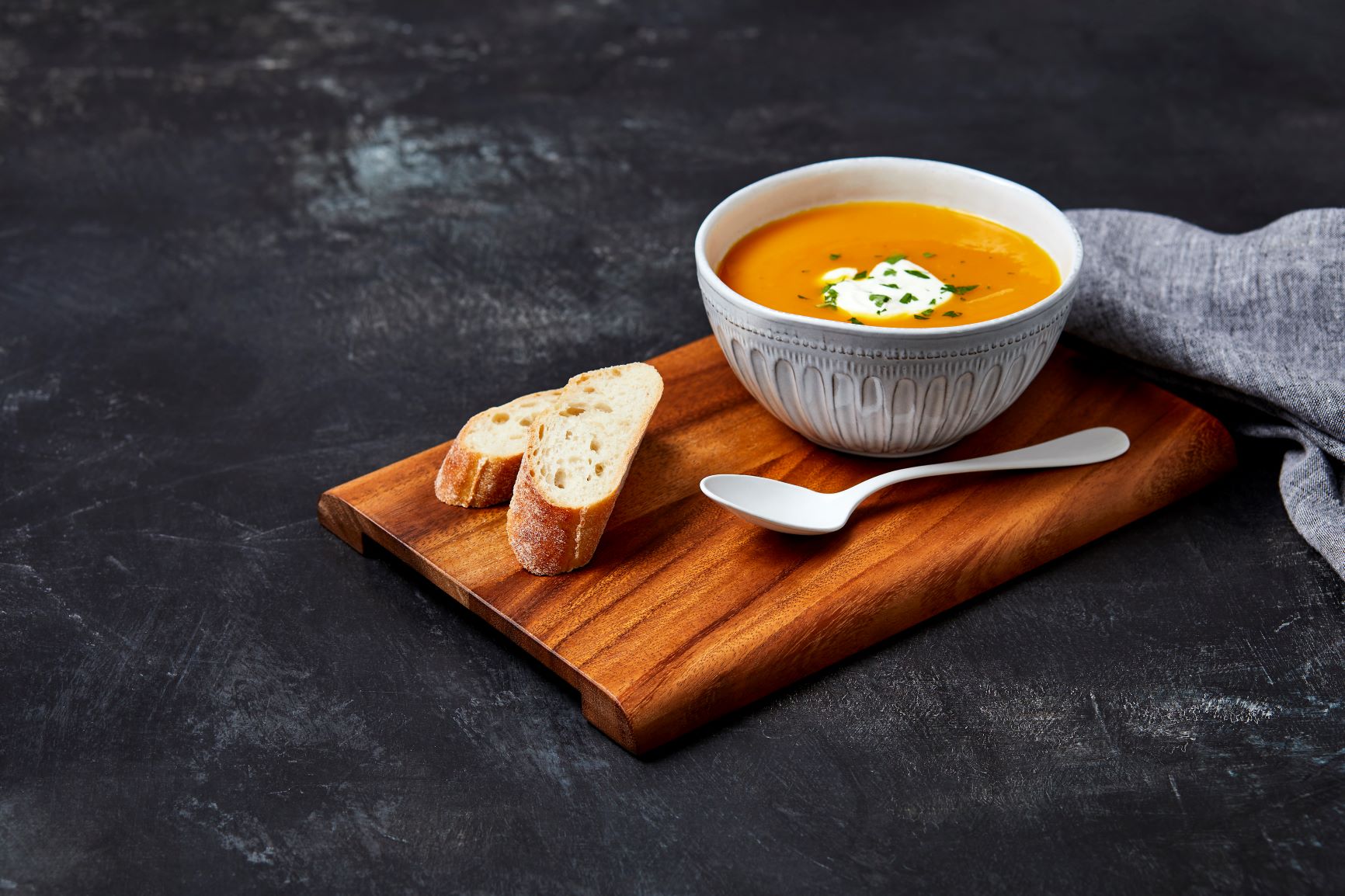
Cooking isn’t just about prep — it’s about sharing food with people you love. Acacia wood boards double as serving boards because they’re so attractive.
The grain is gorgeous: swirls of honey, amber, and chocolate tones, each board with its own character. Put out cheese and crackers, stack it with fresh bread, or even present a birthday cake — Acacia wood boards look stunning as serving pieces.
Plenty of families keep their Acacia wood board on the counter all the time, not hidden in a cupboard. It becomes part of the kitchen’s warmth and style.
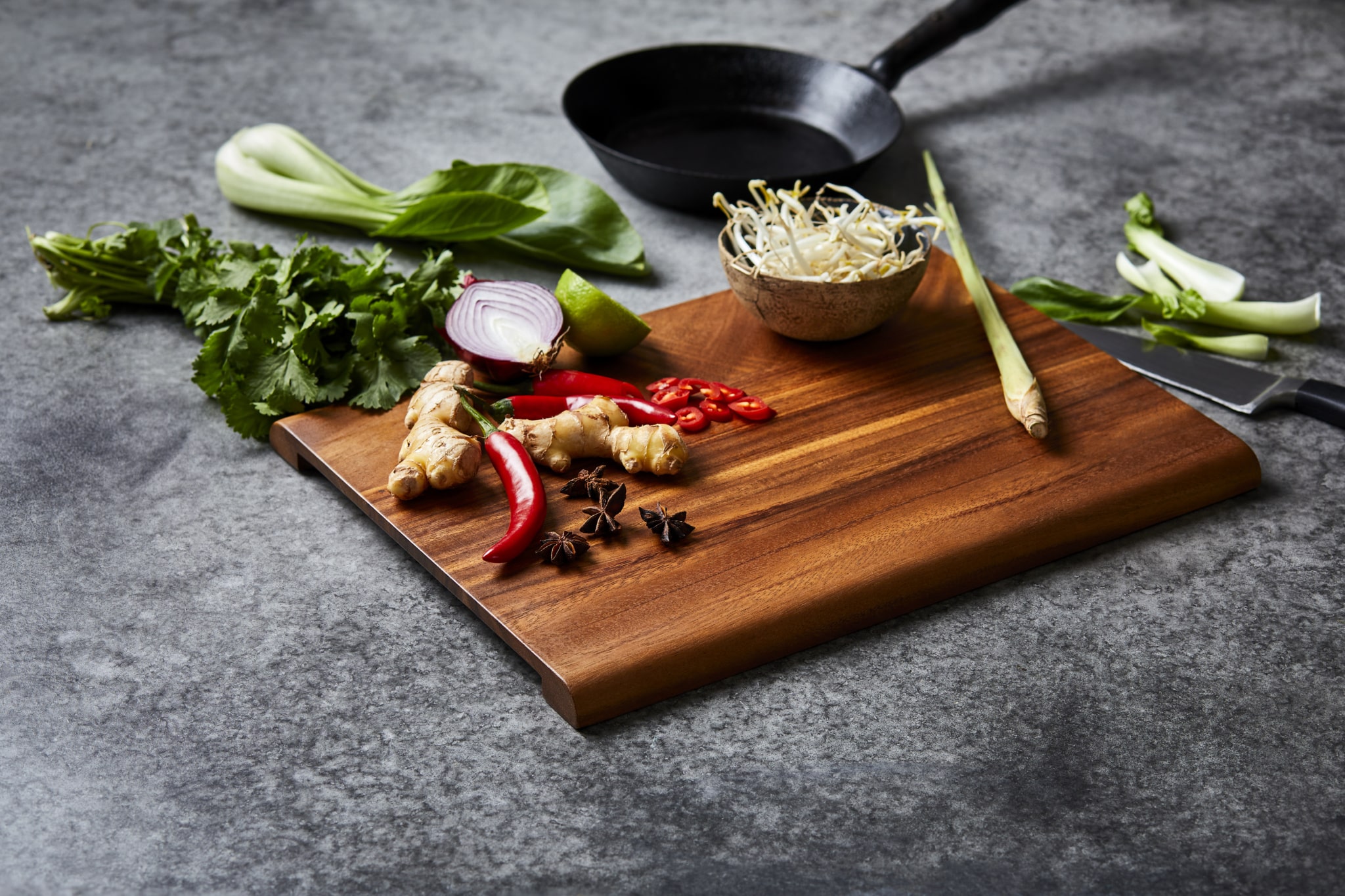
Is Acacia Wood Really Sustainable?
This is the question many eco-conscious households ask: Is Acacia truly a sustainable choice, or just another trendy buzzword?
Here’s the truth: Yes, Acacia is one of the most sustainable hardwoods out there.
-
Fast-growing and renewable.
Some acacia species grow 20–30 feet in just five years. Compare that to maple or oak, which take decades to mature. This means Acacia can be replenished quickly, especially when grown in managed plantations. -
Harvested responsibly.
In many operations, only the limbs are harvested, not whole trees. That means the forest keeps standing while still providing usable timber. -
Not endangered.
Unlike teak or rosewood, Acacia isn’t at risk of overharvesting. There are hundreds of species worldwide, and it’s abundant in Australia, Asia, and Africa. -
Eco certifications.
Many Acacia boards today come from plantations certified by bodies like the Forest Stewardship Council (FSC), which ensures responsible forestry practices.
So, when you choose Acacia, you’re not just picking a tough, beautiful board. You’re also making a choice that supports smarter forestry and reduces pressure on slower-growing, more vulnerable species.
Acacia vs. Other Popular Woods
To really see why acacia stands out, let’s quickly compare it with some other common board materials:
-
Maple:
Classic and gentle on knives, but much slower growing and less abundant. -
Teak:
Naturally oily and water-resistant, but expensive and often linked to unsustainable logging. -
Bamboo:
Ultra-renewable, but very hard on knives and prone to splitting. -
Camphor Laurel:
Not eco-friendly (no plantations) and has a strong smell (no good for cheese etc.). -
Plastic:
Cheap and dishwasher-friendly, but wears out fast, harbours bacteria in grooves, and contributes to microplastic pollution.
Acacia hits the sweet spot: sustainable like bamboo, durable like teak, and beautiful like walnut — without the price tag or ecological concerns.
Caring for Your Acacia Wood Board
Like any wooden board, Acacia needs a little love to stay at its best. Luckily, the routine is simple:
- Hand wash only. A quick wash with warm, soapy water after use. Never soak, never place in the dishwasher.
- Dry upright. Let it air dry standing up so both sides dry evenly.
- Oil now and then. Rub in a food-grade plant-based board oil every month or so to keep the wood hydrated and glowing (Available on the Wild Wood website).
That’s it. Do these three things, and your Acacia board will serve your family faithfully for years — maybe even long enough to pass down.
A Kitchen Essential That Lasts
At the end of the day, a chopping board isn’t just a tool. It’s where you dice veggies for weeknight dinners, slice fruit for school lunches, carve the Christmas ham, or lay out cheese and crackers for friends. It’s at the centre of so many family meals and celebrations.
Choosing Acacia means choosing a board that can handle all of that:
- Tough enough for everyday cooking.
- Naturally safe and hygienic.
- Beautiful enough to use for serving.
- And sustainable enough to feel good about.
For households and home chefs who want one board they can trust — one that won’t let them down halfway through a busy week — Acacia wood is the clear winner.